
Which Grade to Order From Your Bulk Sand Supplier
Choosing the right sand grade is an important part of any construction, landscaping, and site preparation projects. Different grades are made for different purposes, and selecting the wrong one can affect how well a project performs over time and how efficiently work progresses. Factors such as drainage, stability, and the intended application all play a role when selecting materials. This article explains common sand grades, what they are used for, and why working with professionals can help match materials to the needs of the job while supporting better planning and long-term project performance.
Understanding Sand Grades
Not all sand is the same. Sand is available in different grades based on the size of its particles, how it is processed, and its intended use. Some grades contain larger grains, while others are made up of very fine particles. These differences affect drainage, stability, compaction, and appearance, making each grade better suited for certain types of work. A sand supplier can help identify the appropriate grade for commercial projects, construction work, landscaping, infrastructure improvements, and other applications where material selection plays an important role.
Choosing the proper material early in the planning process may help avoid delays or material changes later. Professionals often evaluate factors such as soil conditions, drainage needs, project requirements, expected site conditions, and long-term performance before recommending a particular grade. This approach helps keep projects moving with materials suited to the intended application while supporting more consistent results from the beginning of the project.
Comparing Common Sand Types
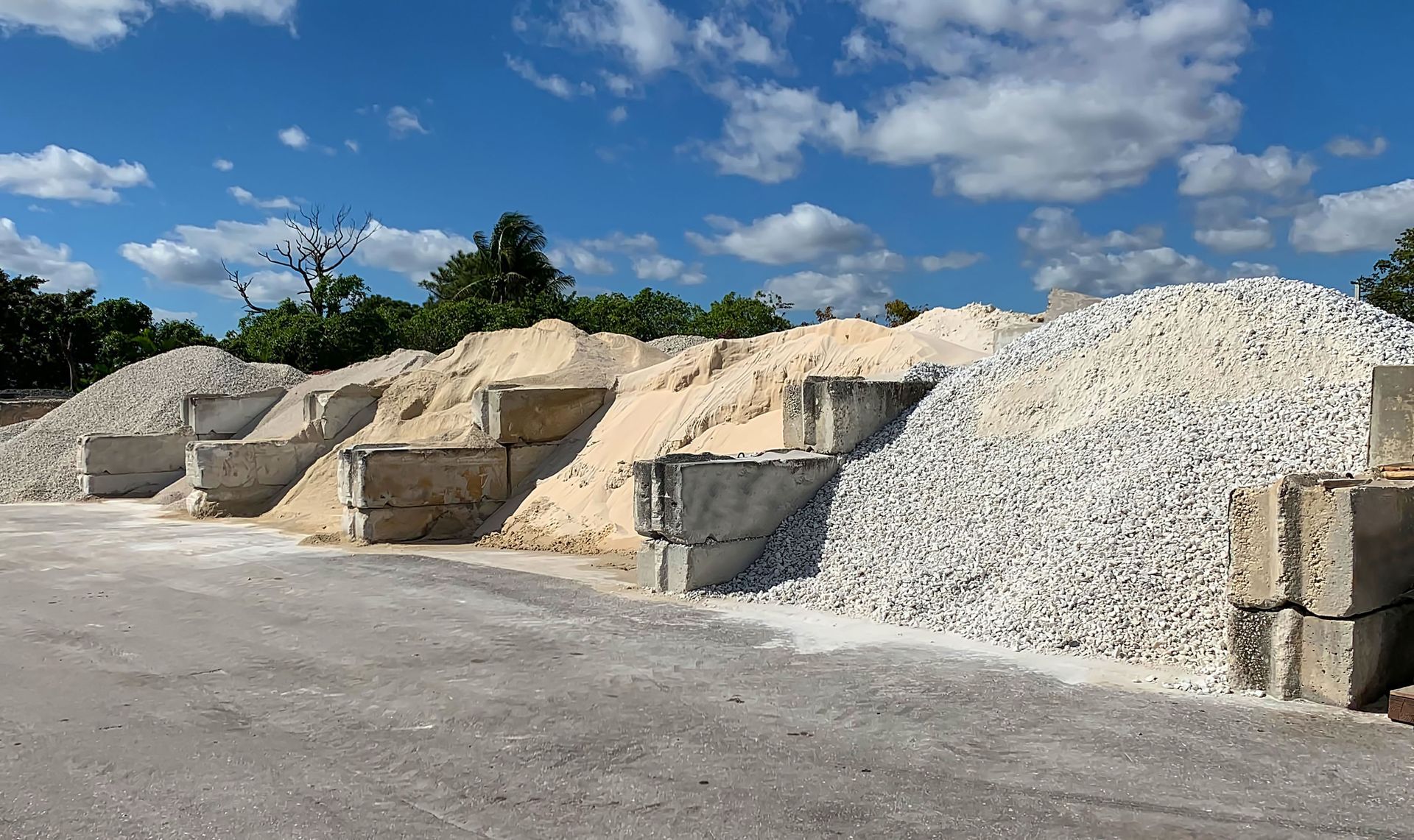
Several types of sand are commonly used across different industries. While names and specifications may vary by region, the basic characteristics remain similar. Coarse sand contains larger particles that allow water to drain more easily. It is often selected for applications where drainage plays an important role. Medium-grade sand provides a balance between stability and drainage. It is commonly used in projects that require a firm, compacted base while still allowing some water movement.
Fine sand contains smaller particles and creates a smoother finish. It may be chosen for applications where appearance or surface texture is important. Manufactured sand is produced by crushing stone into fine particles. It is processed to meet certain grading requirements and is used in a variety of construction applications. A sand supplier can explain how these different materials compare and recommend options based on project specifications rather than appearance alone.
Matching Materials to Project Needs
Every project has different material requirements. Some applications require strong compaction, while others depend on drainage or surface consistency. Construction projects often require carefully selected aggregate materials to support foundations, utilities, or paved surfaces. The correct sand grade contributes to the performance of these systems when combined with other materials.
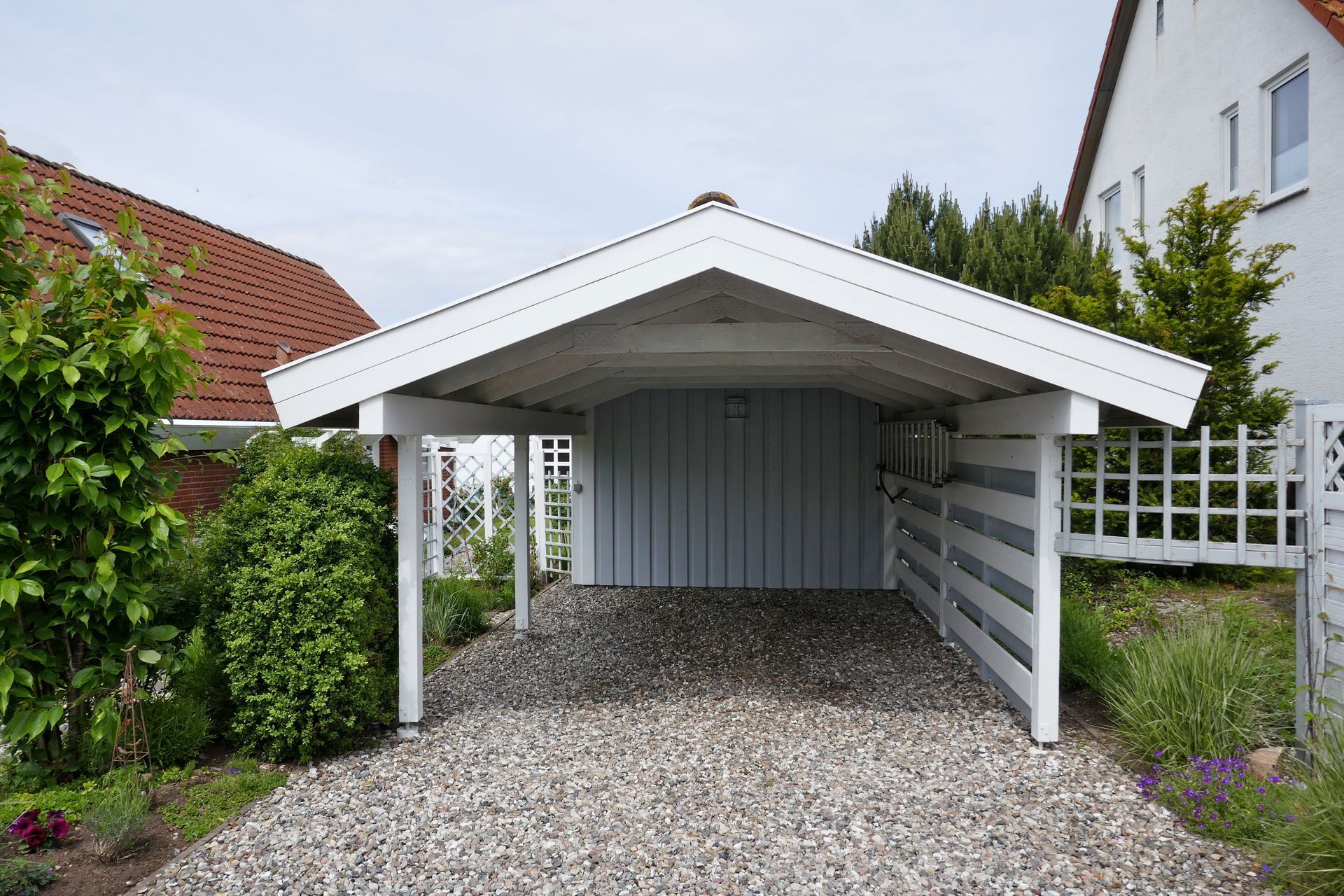
Landscaping projects may focus on drainage, leveling, or decorative finishes. The desired appearance and long-term performance both influence material selection. Athletic facilities, public spaces, and recreational areas may also use different grades depending on the intended surface conditions and maintenance goals. Because every site is unique, professionals review project plans and site conditions before placing material orders. A qualified sand supplier can help coordinate material selection with project requirements and delivery schedules.
Evaluating Particle Size
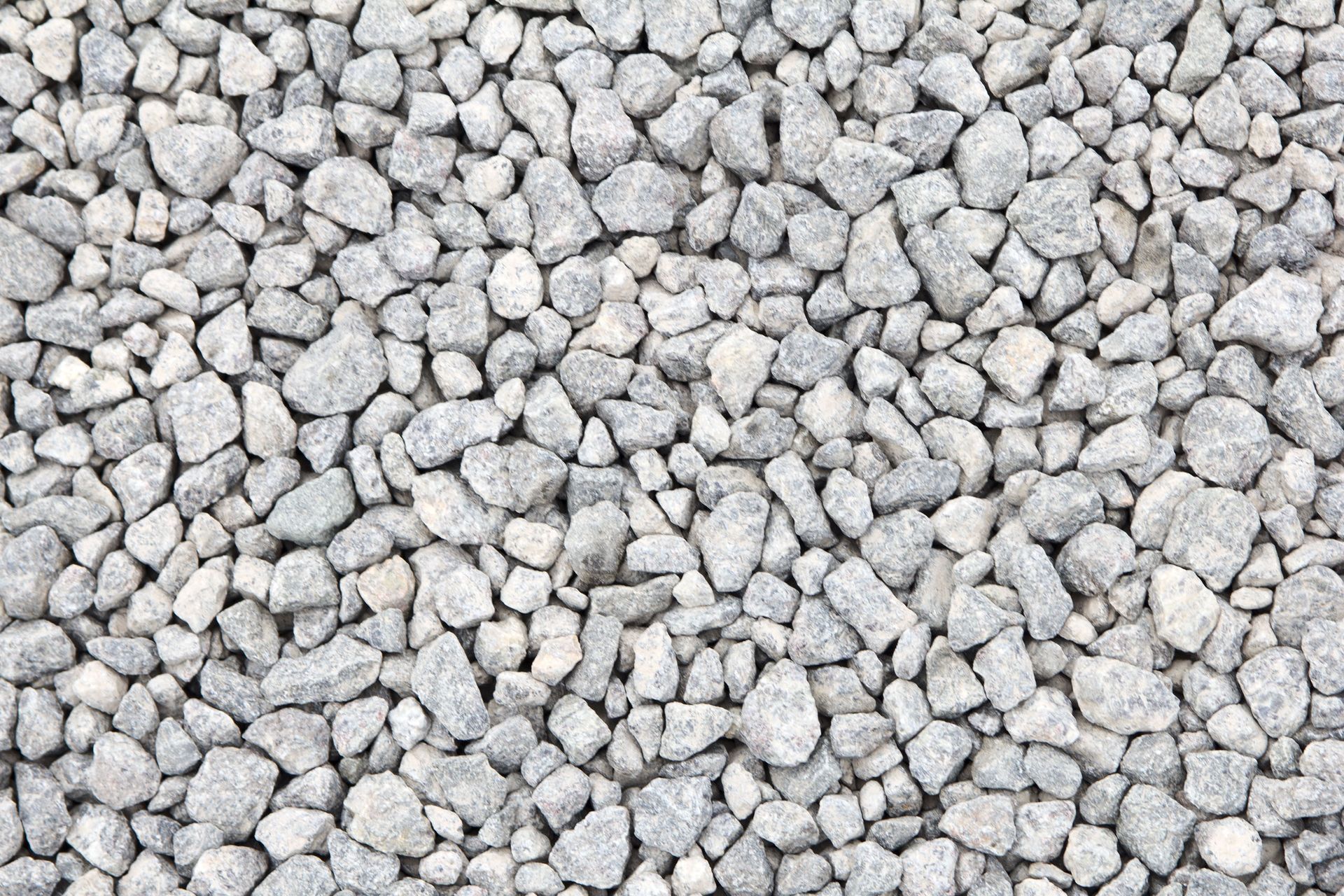
Particle size plays a major role in how sand performs. Larger grains create more open spaces between particles, allowing water to move through the material more easily. Smaller grains fit together more closely and produce a denser surface. Compaction also changes with particle size. Some projects require firm, stable surfaces that support heavy loads, while others benefit from improved drainage instead of maximum density.
Particle shape can also affect performance. Rounded grains behave in different ways than angular particles during compaction and drainage. These differences are considered when selecting materials for commercial and construction projects. Working with experienced professionals helps match particle size to the intended use instead of relying only on general descriptions or appearance.
Considering Drainage Requirements
Water management is an important part of many outdoor projects. The wrong sand grade may slow drainage or reduce stability under changing weather conditions. Projects that require rapid water movement often benefit from coarser materials that allow moisture to pass through more efficiently. Other applications may require tighter compaction to provide better support, even if drainage occurs more slowly.
Site conditions also affect material selection. Soil type, grading plans, and expected rainfall all influence which sand grade performs best. A sand supplier can discuss these factors with contractors and project managers before materials are delivered. Reviewing drainage requirements ahead of time helps reduce the chance of ordering an unsuitable grade.
Reviewing Regional Material Availability
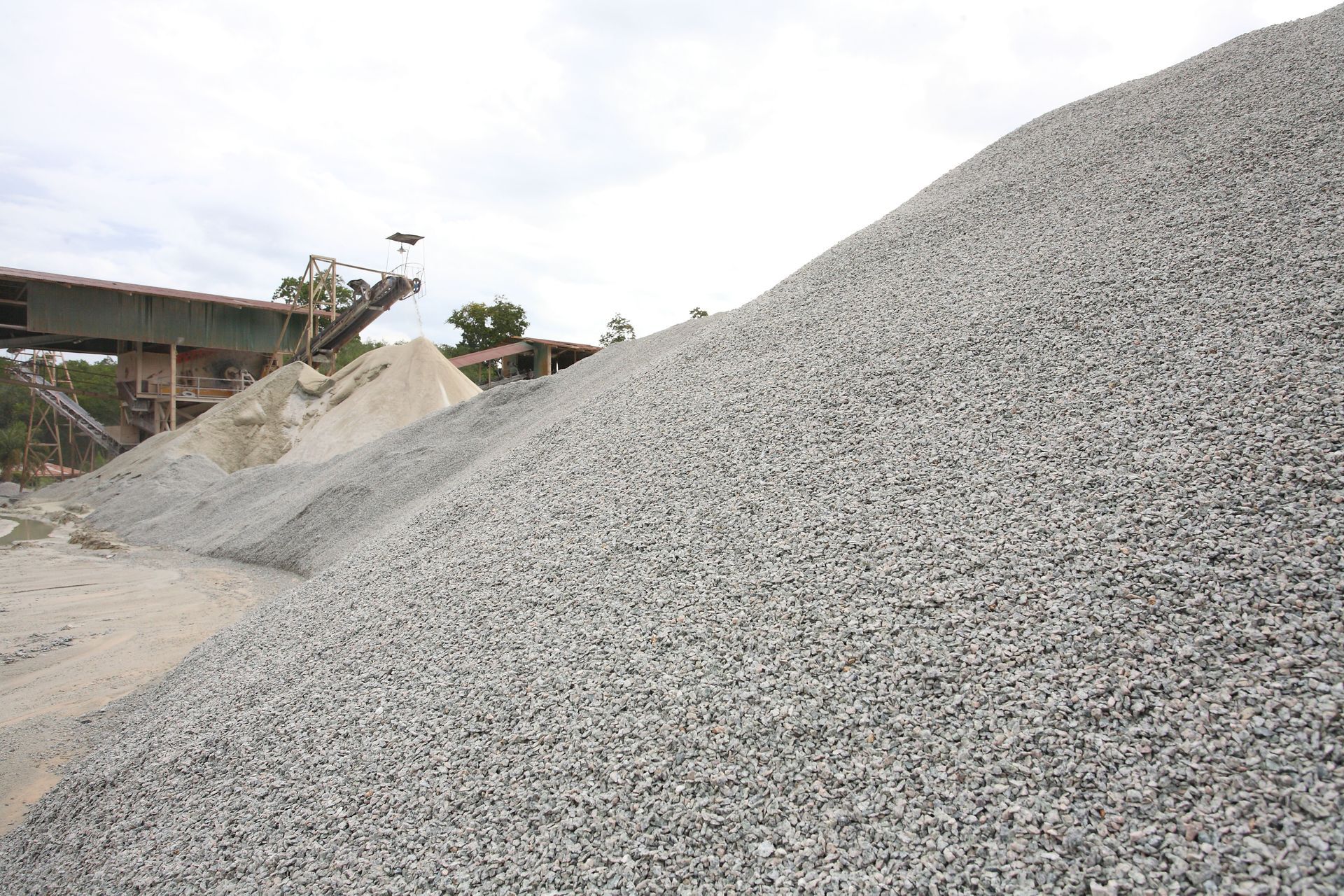
Material availability often depends on local geology and nearby aggregate production. Some regions naturally produce certain types of sand and stone, making those materials more readily available for construction projects. According to the United States Geological Survey, Ohio was ranked among the top five leading states in the nation for crushed stone output in 2025, alongside Texas, Pennsylvania, Florida, and Missouri. Strong aggregate production helps support a wide range of construction, infrastructure, and commercial development projects throughout the region.
Reliable access to quality aggregates also allows many projects to obtain materials more efficiently as demand changes throughout the year. Regional availability can also influence project planning. Professionals often consider both material performance and local supply when preparing construction schedules to help keep projects supplied with the materials they need.
Discussing Project Specifications
Construction plans often include material specifications that outline grading requirements, particle sizes, or performance standards. Following these specifications helps maintain consistency throughout the project. Project managers, engineers, and contractors typically review these requirements before ordering bulk materials. If questions arise, they may consult with a sand supplier to compare available grades with project specifications.
Ordering the proper material from the beginning may reduce scheduling interruptions caused by material substitutions or additional deliveries. Early communication also allows time to confirm quantities and coordinate transportation. When projects involve multiple phases, professionals may require different sand grades for different portions of the work. Planning ahead helps materials arrive when they are needed.
Working With Qualified Professionals
Selecting the correct sand grade involves more than choosing between fine or coarse materials. Project goals, drainage needs, soil conditions, engineering requirements, and local availability all influence the decision. Construction professionals evaluate these factors before recommending materials for a project. Their experience allows them to identify potential challenges and select grades that align with project specifications.
Working with knowledgeable suppliers and construction teams also supports better communication throughout the ordering process. Clear discussions about quantities, scheduling, and intended applications help reduce confusion before deliveries are made. A sand supplier can provide information about available materials while working alongside project teams to help identify suitable options for each stage of construction.
Ordering the correct sand grade helps support construction, landscaping, and infrastructure projects from the beginning. Different grades are designed for different purposes, making it important to consider drainage, compaction, particle size, project specifications, and local material availability before placing an order. Seeking guidance from qualified professionals can help match materials to project requirements and improve overall planning. If you are preparing for an upcoming project and need guidance from a reliable sand supplier, contact Small's Sand & Gravel Inc today to discuss available materials and find the right option for your project.
Share On: