
6 Reasons Sand Matters More Than You Think for a Patio
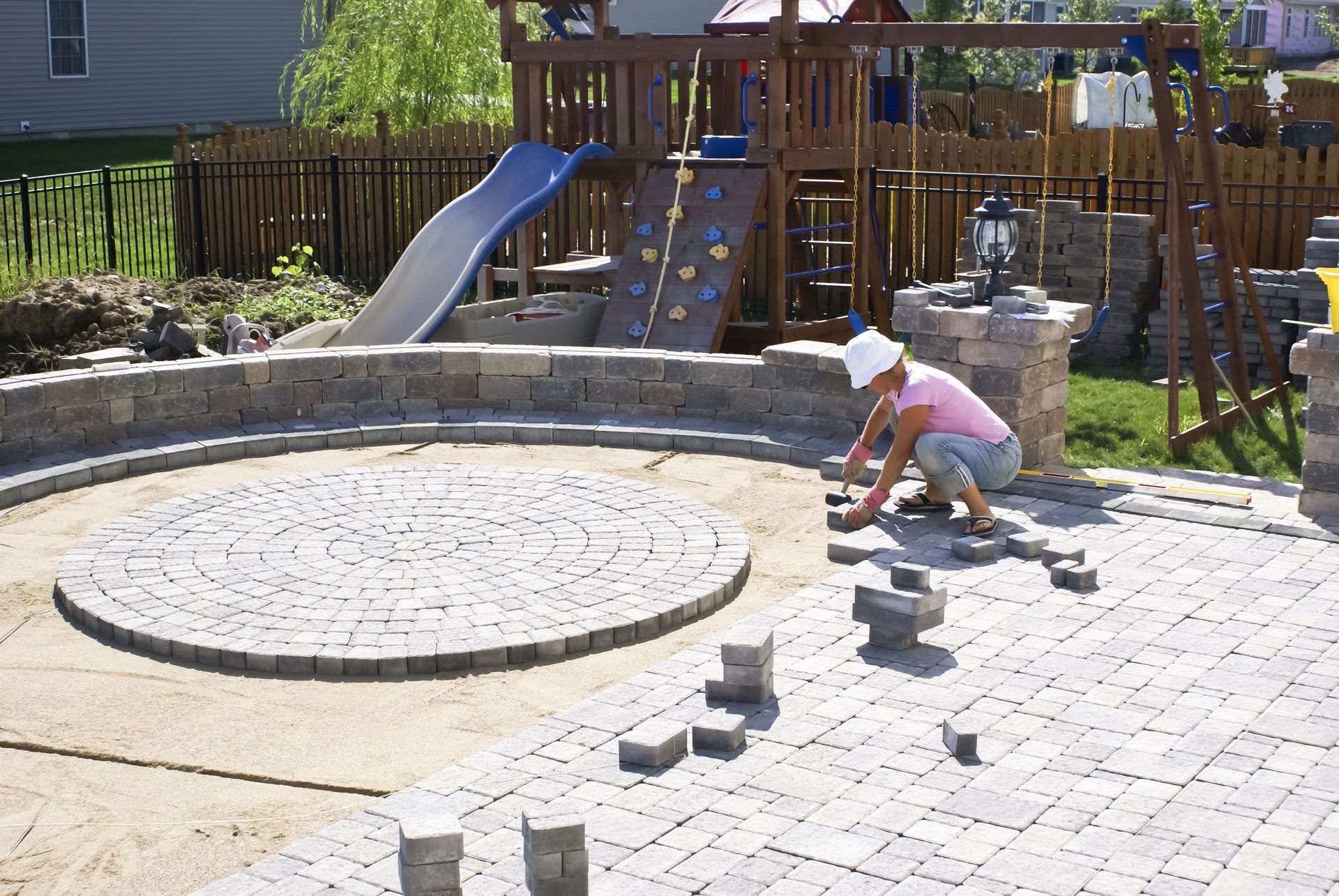
When homeowners envision their dream outdoor living space, they almost invariably focus on the visible surface elements: textured bluestone slabs, rich clay brick patterns, or sleek, contemporary concrete pavers. It is easy to treat the foundation beneath those expensive materials as an afterthought, often assuming that dirt, gravel, or whatever basic aggregate is on hand will suffice. However, many people don't realize that long-term patio performance relies almost entirely on the invisible layers below grade.
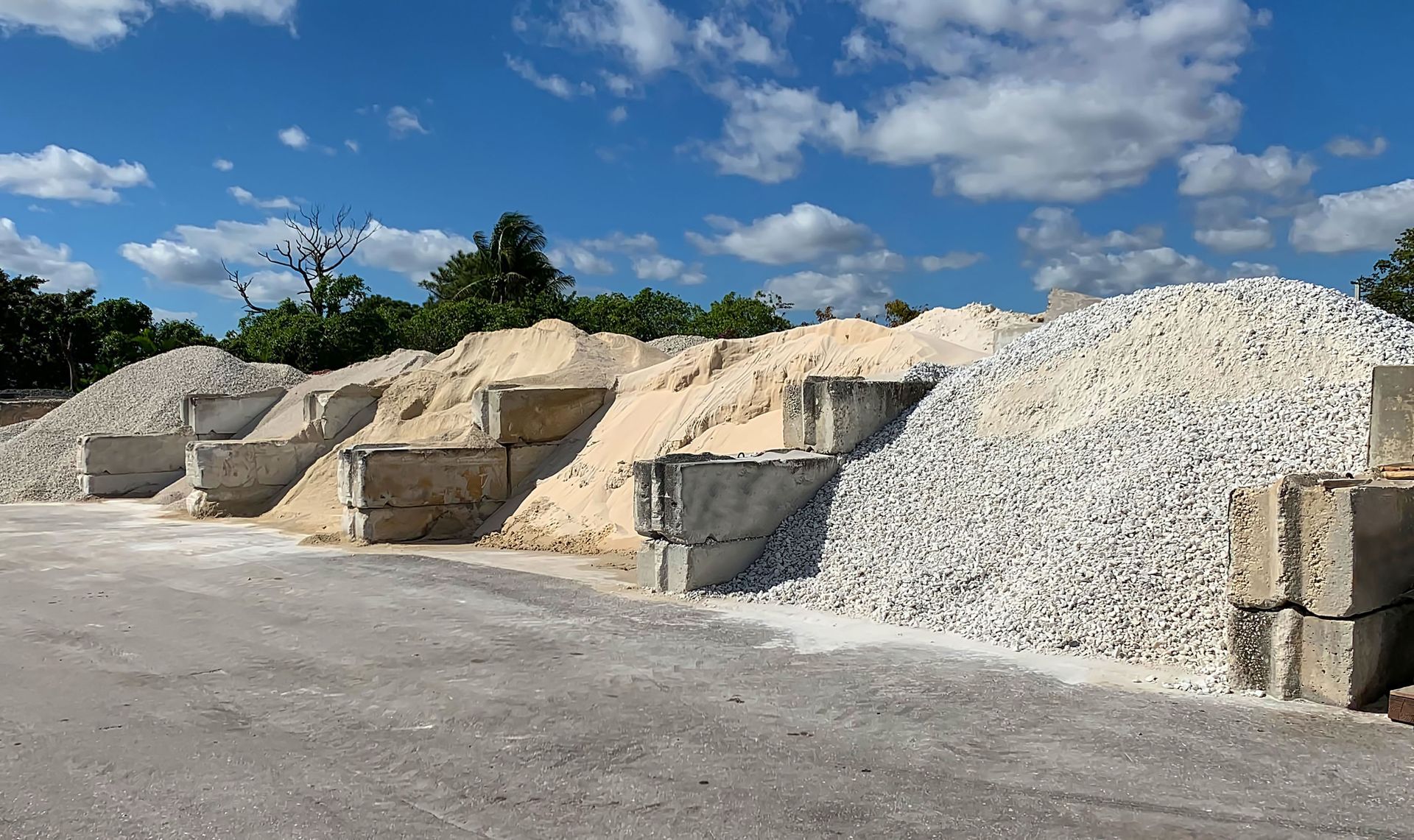
Sourcing high-grade material from an experienced sand supplier rather than grabbing generic utility bags from a local retail shelf is often the single decision that separates a patio that stands pristine for decades from one that shifts, buckles, or pools standing water. Understanding why sand acts as the unsung structural hero of hardscaping requires looking at how grain geometry, permeability, and mineral purity interact under heavy dynamic loads and severe seasonal cycles.
1. Stabilizing the Bedding Layer Under Load
The primary function of a bedding layer is to establish an unyielding, uniform setting bed that bridges the gap between the compacted crushed stone sub-base and the underside of your pavers. Sand performs this task through particle friction. When subjected to the downward pressure of foot traffic, heavy patio dining sets, or portable fire pits, coarse screeding sand distributes point loads outward across a wide surface area.
To achieve this level of mechanical support, depth and volume must be strictly calculated. According to HomeGuide, preparing a 100-square-foot patio with a standard two-inch setting bed requires approximately 0.6 cubic yards—or just shy of a single ton—of sand. Skimping on depth or unevenly distributing this layer creates localized structural voids that cause individual stones to tilt under weight.
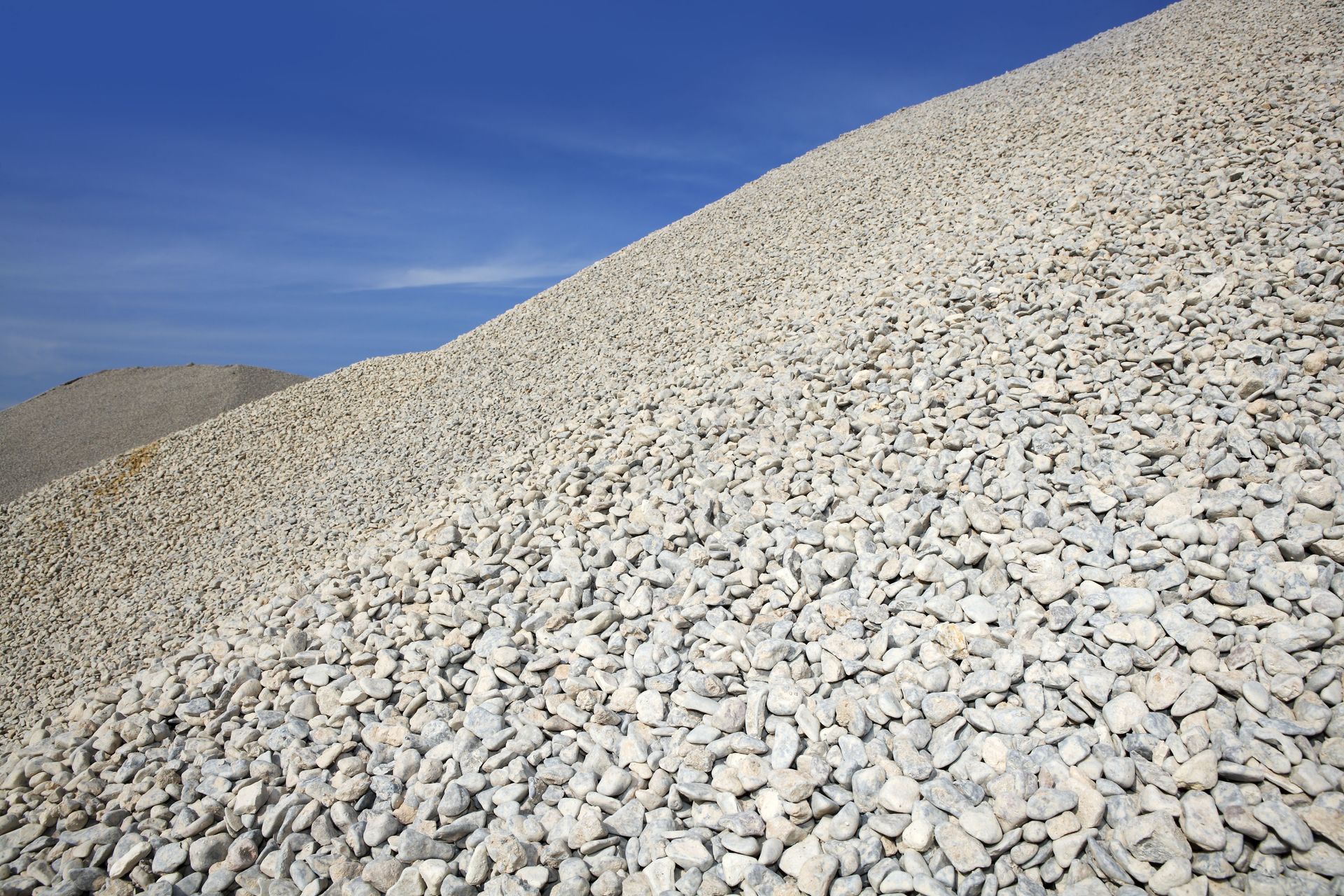
Furthermore, grain shape plays a decisive role in stability. Rounded sands, such as play sand or masonry mortar sand, act like microscopic ball bearings under compressive stress, rolling out from underneath stones whenever weight is applied. A dedicated sand supplier will instead supply concrete sand meeting ASTM C33 specifications, which features rough, angular edges that lock tightly together to maintain a flat, unwavering plane.
2. Locking Paver Joints Against Lateral Movement
While the bedding layer supports vertical loads, joint sand addresses horizontal forces. As people walk across an exterior patio, each step exerts lateral shear energy that pushes pavers outward. Without tight, aggregate-filled joints, individual stones quickly creep apart, widening seams and destabilizing the outer perimeter.
Joint sand functions as a mechanical wedging agent. When swept into the gaps and consolidated with a mechanical plate compactor, millions of angular sand particles wedge between the vertical sidewalls of neighboring pavers. This aggregate friction transfers energy horizontally across the entire surface, turning hundreds of independent paving stones into a unified, monolithic structural pavement.
Depending on the joint width and exposure, homeowners may choose between clean kiln-dried sand or polymeric blends containing chemical binders that harden upon activation. In either scenario, ordering bulk materials through a certified sand supplier ensures the grain gradation is precisely screened to pack deeply into narrow spaces rather than hovering loosely at the top of the seam.
3. Facilitating Rapid Drainage Away from Hardscapes
Water represents the greatest long-term threat to any exterior masonry project. Surface rainwater that seeps between pavers must find an unobstructed pathway to drain down into the open-graded sub-base and native subsoil. If water becomes trapped beneath the pavers, the setting bed becomes saturated, turning into unstable slurry that pumps out through joints under foot traffic.
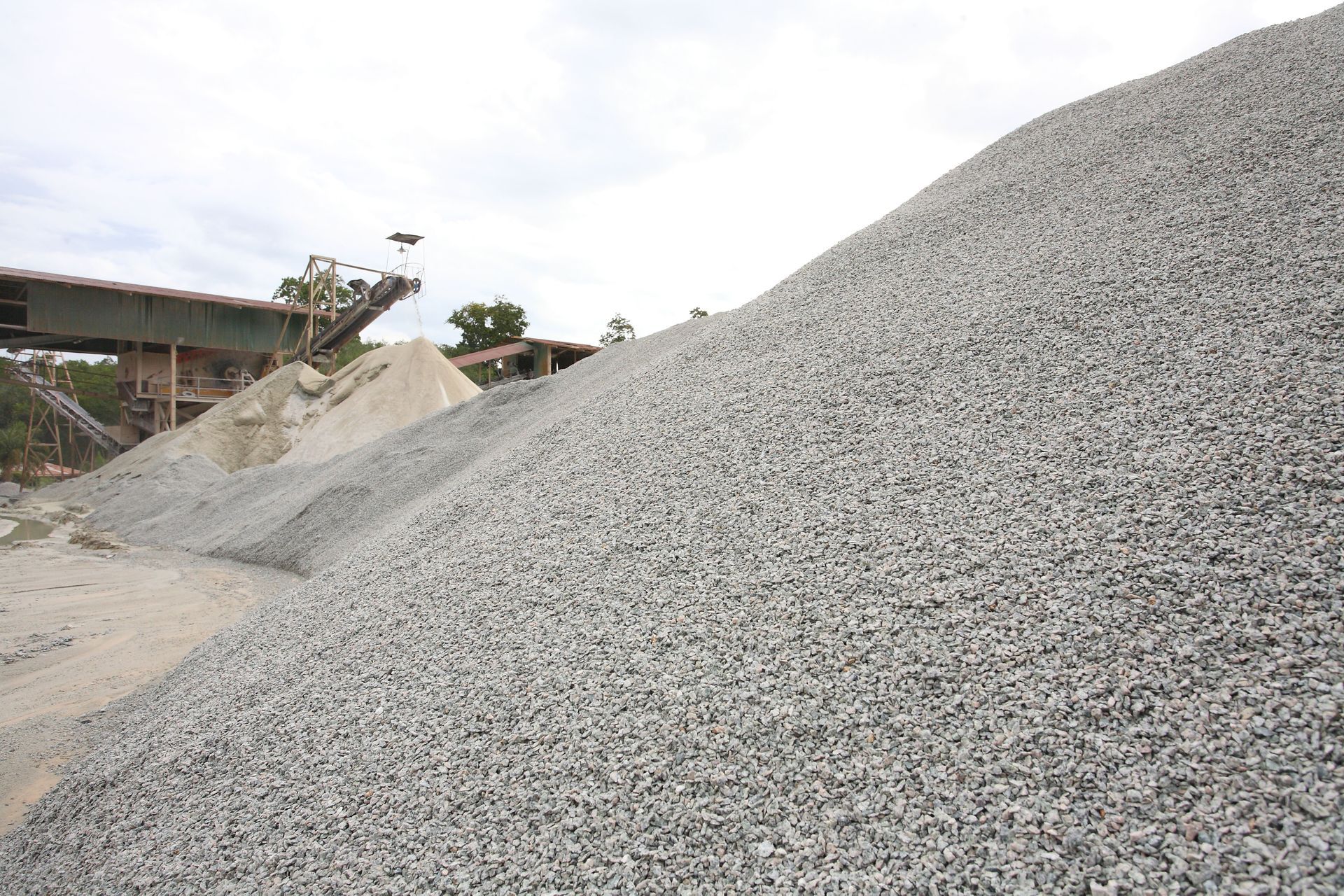
Grain size distribution directly controls drainage velocity. High-quality bedding sand is carefully washed during aggregate processing to eliminate clay particles and fine silts that plug subsurface drainage pathways. When you coordinate with a bulk sand supplier to acquire clean, double-washed angular sand, you establish an open-pore structure that allows moisture to evacuate rapidly into the sub-base gravel.
This drainage capability is particularly critical in regions subject to harsh winter freezes. Water trapped in poorly draining silty sand expands when freezing into ice, generating upward hydrostatic pressure known as frost heave. This cyclical expansion and contraction cracks joint seals, heaves pavers out of alignment, and leaves uneven tripping hazards by springtime.
4. Suppressing Weed Growth and Pest Burrowing
Nothing detracts from an elegant patio faster than weeds sprouting through seams or mounds of excavated soil left by tunneling ant colonies. Many homeowners mistakenly believe that weeds push their way upward through the stone from the ground beneath. In reality, nearly all patio weeds germinate from airborne seeds that settle into paver joints from above.
Using low-grade soil or unwashed utility sand directly accelerates this issue, as these materials frequently harbor dormant seeds and organic loam that provide an instant growing medium. A reliable commercial sand supplier washes and screens sand aggregates to guarantee they are inert, sterile, and free of decomposing biological matter.
Furthermore, modern polymeric joint sands incorporate specialized organic or chemical binders that cure into a durable, cohesive matrix. This hardened barrier starves windblown weed seeds of rooting moisture while physically blocking burrowing insects from establishing nests beneath the stones, dramatically cutting down on routine patio pressure-washing and chemical herbicide treatments.
5. Absorbing Seasonal Shifts and Micro-Settling
Unlike rigid poured-concrete slabs, which inevitably crack when native ground swells, shrinks, or settles, an interlocking paver patio is classified as a flexible pavement system. It is specifically designed to absorb micro-movements without suffering catastrophic structural fractures. The bedding sand serves as the shock-absorbing cushion that makes this structural flexibility possible.
As deep subsoils experience subtle seasonal moisture variations, individual grains within the coarse bedding layer adjust slightly, dissipating stress before it concentrates along the brittle surface of a stone paver. If extreme subterranean settling does eventually occur—such as around an uncompacted utility trench—a sand-set patio offers straightforward repairability.
Rather than demolishing and repouring an entire concrete slab, you can lift out the affected pavers, add screeded sand to re-establish the level plane, and re-tamp the original stones back into place. Discussing native soil conditions with a knowledgeable regional sand supplier can help you determine the optimal sub-base depth and sand profile needed to handle high-shrinkage clay or unstable loamy soils.
6. Preventing Surface Efflorescence and Mineral Staining
The aesthetic longevity of natural flagstone, wet-cast concrete, and imported porcelain pavers depends heavily on the chemical purity of the setting materials beneath them. When unwashed sand containing high concentrations of soluble salts, unrefined minerals, or iron deposits is exposed to rising moisture, capillary action draws those minerals upward through the porous stone.
As the moisture evaporates on the paver surface, it leaves behind unsightly, chalky white deposits known as efflorescence. In severe cases involving iron-contaminated quarry sand, moisture oxidation can cause permanent rust staining across light-colored stone finishes.
Vetting an aggregate sand supplier that runs rigorous purity checks and tests for low water-soluble salt content safeguards the appearance of your investment. Utilizing chemically neutral sand prevents costly discoloration, preserves manufacturer paver warranties, and keeps your hardscape looking as vibrant as the day it was installed.
A beautiful patio design is only as durable as the aggregate layers concealed beneath the surface. From ensuring proper load distribution and preventing paver creep to fighting frost heave, weed infestations, and mineral staining, high-spec sand is the essential component that preserves the integrity of your hardscape. Always prioritize grain geometry, purity, and proper volumetric calculations by working directly with a professional
sand supplier before laying your initial base layer.
Ready to build an outdoor patio that looks stunning and stands the test of time? Contact the expert sand suppliers at Small's Sand & Gravel Inc today to calculate the exact sand tonnage your project needs. Stop by our yard or schedule your bulk delivery right to your driveway so your build starts on solid ground.
Share On: