
5 Types of Gravel that Work Best for Your Driveway
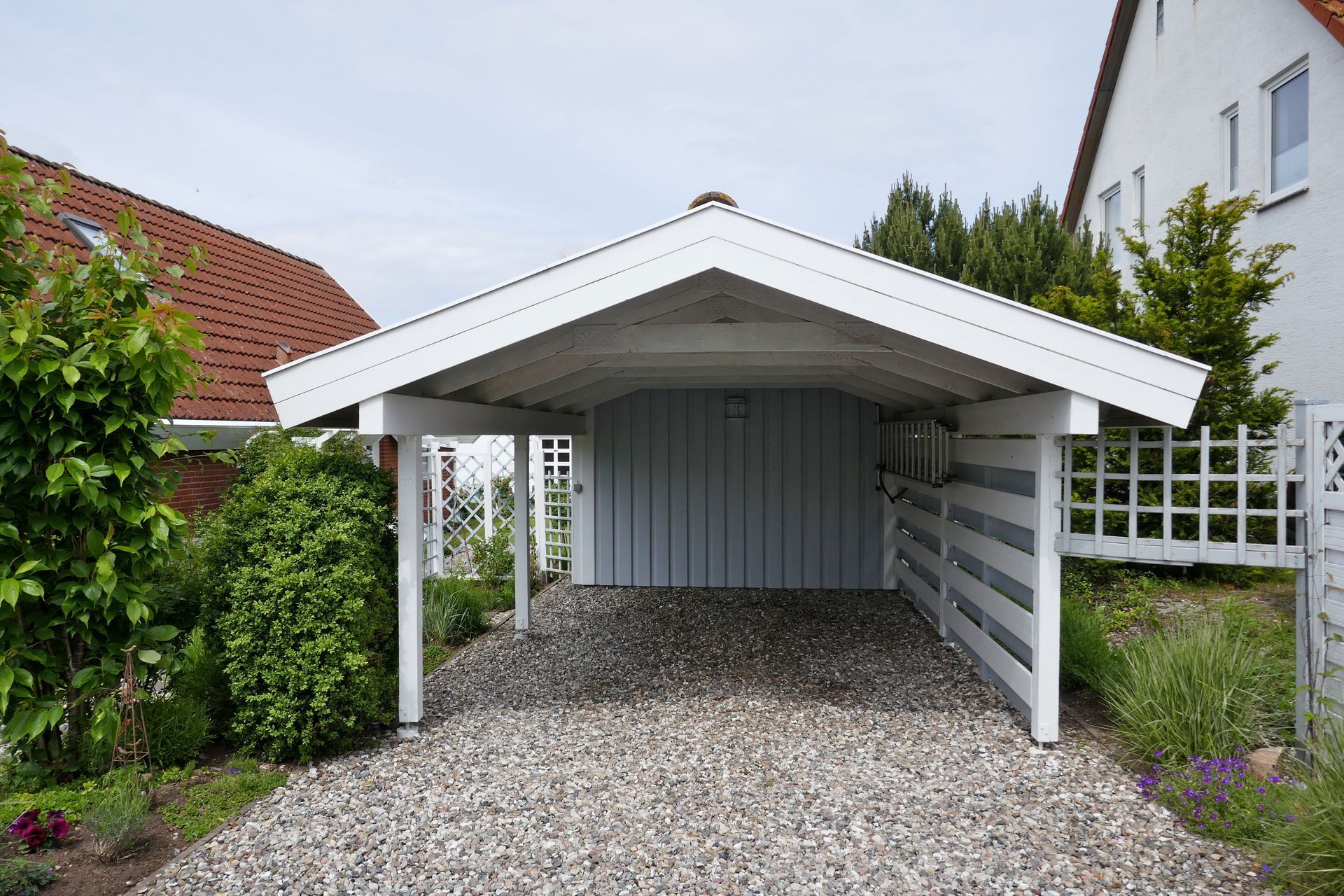
Selecting the right aggregate for a home entryway determines the durability, appearance, and maintenance requirements of the surface. Homeowners must balance structural integrity with visual appeal to create a lasting entry. Working alongside a knowledgeable gravel supplier makes it easier to navigate the structural differences between stone types. Understanding these technical nuances ensures the chosen material aligns with local climate demands and expected vehicular weight loads. Overlooking these key factors can lead to premature surface shifting, drainage failure, or excessive tracking of dirt into your garage, significantly increasing long-term repair costs and avoidable maintenance headaches over time.
Selecting Angular Crushed Stone for Stability
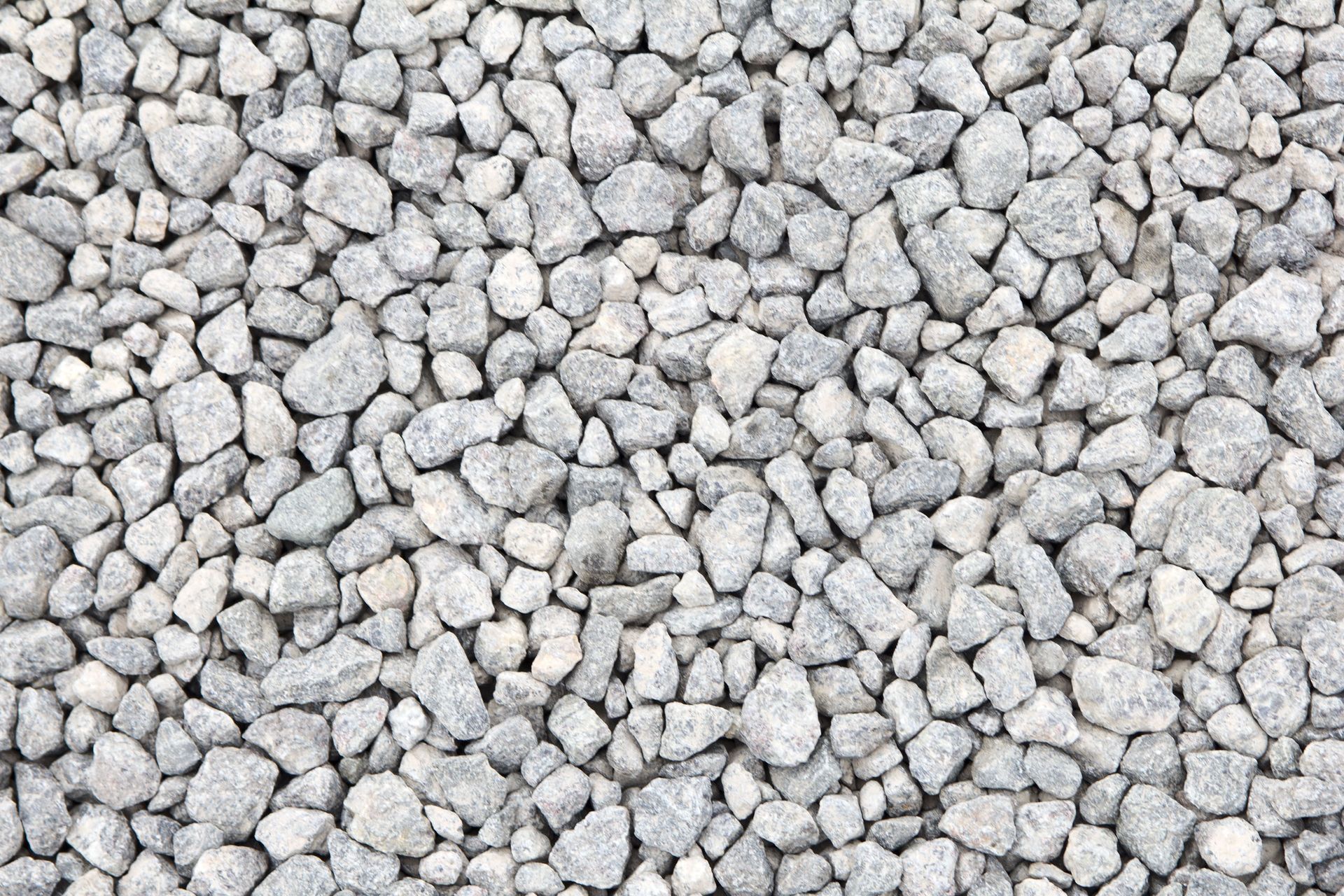
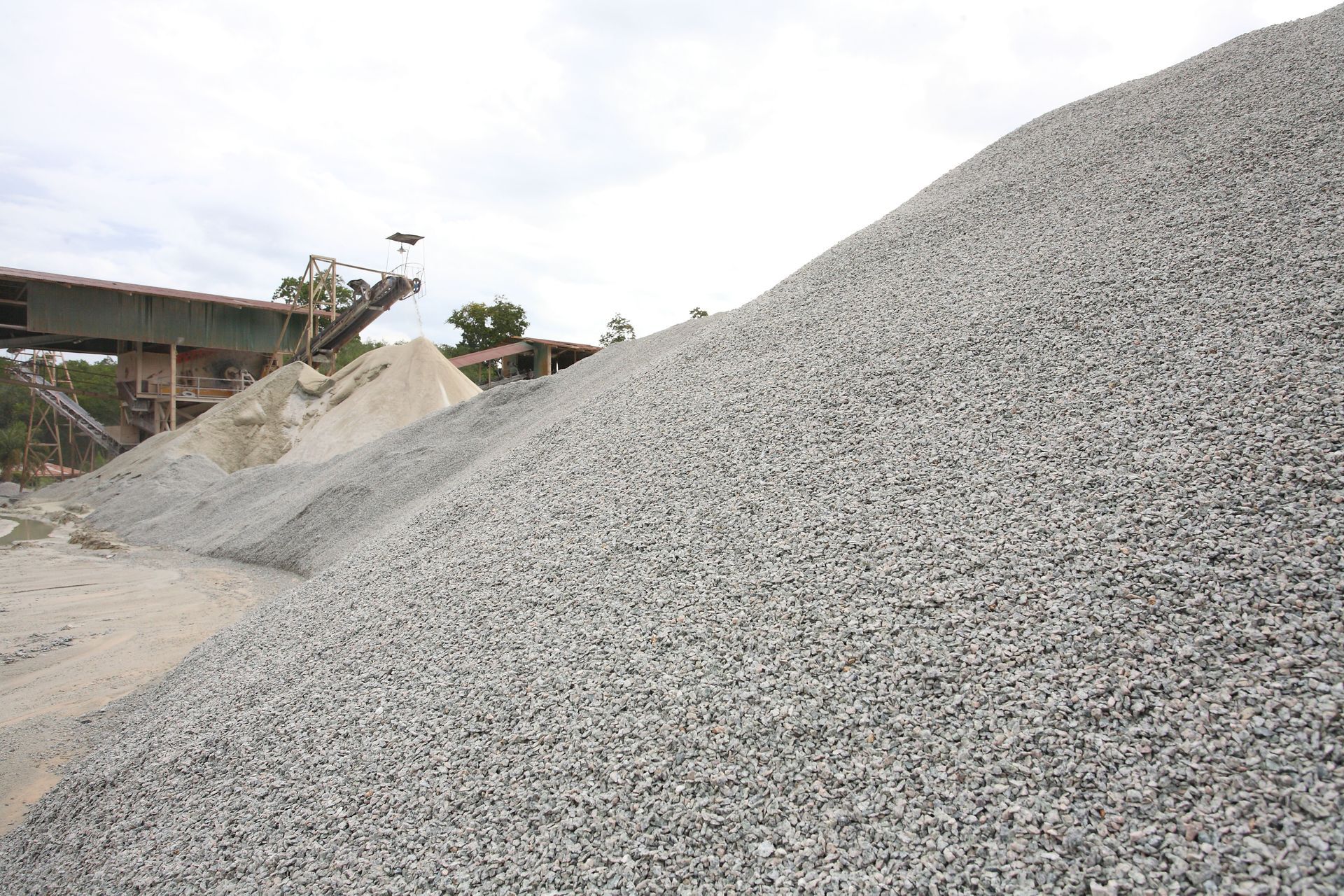
Crushed stone stands out as a premier foundational layer and surfacing material due to its sharp, fractured edges. Unlike rounded stones, these angular fragments interlock mechanically under pressure, creating a stable and rigid platform that resists shifting. According to The Spruce, gravel refers to loose rock or stone between about 1/10 inch and three inches in diameter. Crushed stone fits perfectly within this classification, utilizing a blend of limestone, granite, or trap rock to deliver maximum density and strength across the entire surface area. This interlocking capability makes it an ideal option for steep inclines, as the pieces pack together tightly to prevent shifting under tire pressure or washouts from heavy rainfall.
The primary advantage of this material is its exceptional load-bearing capacity. It withstands heavy utility vehicles, large delivery trucks, and frequent traffic without forming deep ruts or shifting out of place. The irregular spaces between the stones facilitate rapid vertical drainage, keeping water from pooling on the surface and preventing subgrade erosion. This natural permeability minimizes the risk of potholes and washouts during heavy rainstorms, keeping your driveway safe and functional year-round.
However, the rough texture makes it uncomfortable for barefoot walking and can track stone dust into vehicles during dry spells. Proper installation requires excavating the subgrade, laying a geotextile fabric to block weed growth, and applying the stone in compacted layers. Periodic raking and adding fresh aggregate from a reliable gravel supplier to high-traffic areas will preserve the driveway's structural integrity over time.
Utilizing Rounded Pea Gravel for Aesthetics
Pea gravel is characterized by its smooth, rounded contours, shaped by natural water erosion or mechanical tumbling. These small stones usually measure between 1/8 inch and 3/8 inch, offering a clean, multi-colored finish filled with fluid, earthy tones. Homeowners frequently select this option for its high decorative appeal and architectural versatility, as it softens the landscape and complements traditional or modern home designs beautifully.
While visually striking, the rounded shape means the stones do not lock together. Instead, they fluidly displace when exposed to the weight of moving vehicles, acting like tiny ball bearings under heavy loads. This fluid movement requires a dependable gravel supplier to provide containment solutions, such as rigid borders, stone curbing, or heavy-duty stabilizing grids, to keep the material from migrating into lawns and gardens.
Maintenance involves routine raking to smooth out tire ruts and redistribute the stones evenly across the driving path. The smooth surface does not generate dust, making it a cleaner option during hot summer months. To ensure longevity and avoid sinkage, the layer should be kept around two inches deep; any thicker will make the surface difficult to drive or walk through safely.
Implementing Jersey Shore Materials for Coastal Styles
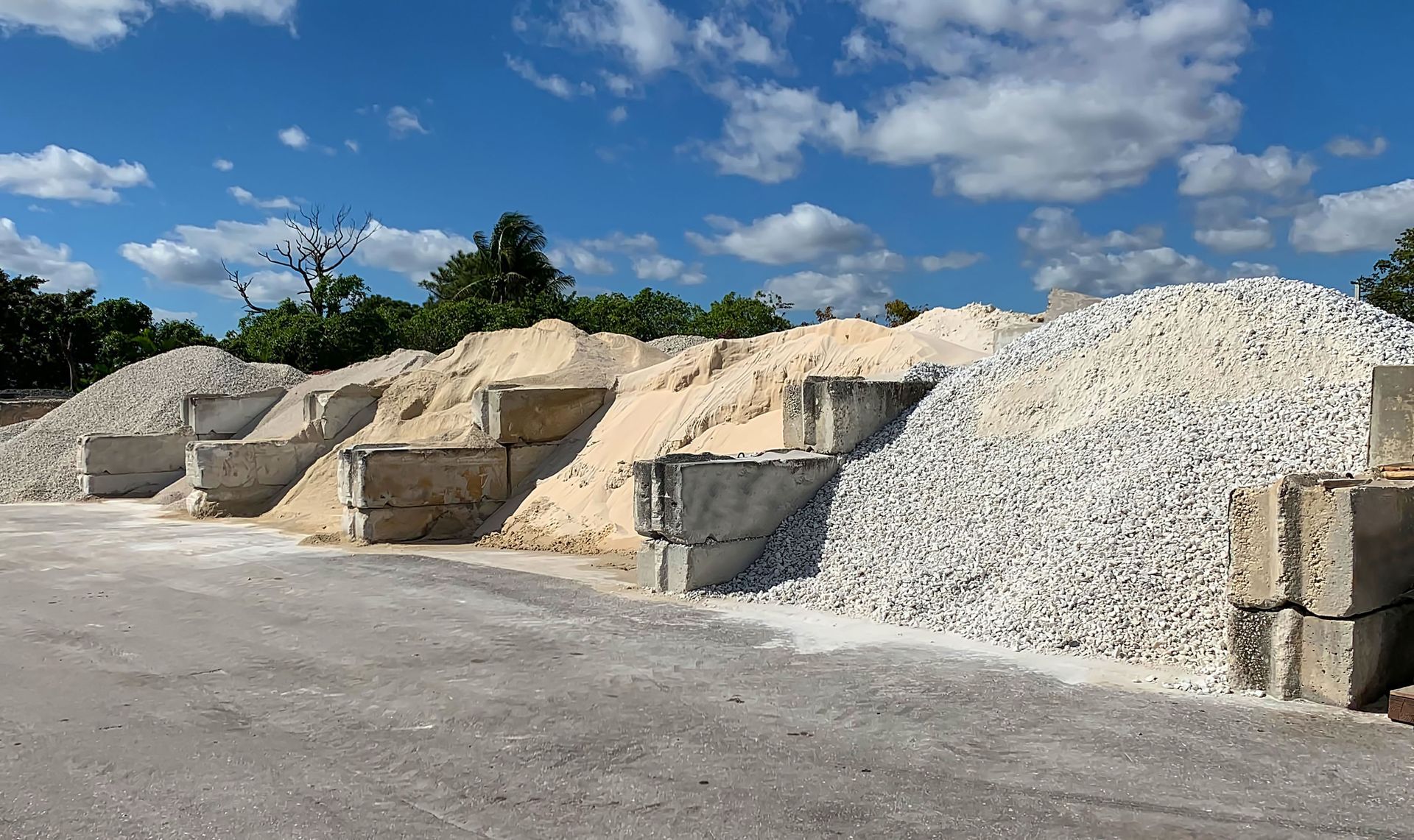
Jersey Shore stone, recognized by its distinct golden-yellow and tan hues, offers a warm, coastal aesthetic that brightens up residential landscapes. The aggregate features small, naturally weathered stones that range from 1/4 inch to 2 inches in diameter. This material provides a regional alternative to traditional gray stones, making it popular for properties aiming for a beach-inspired curb appeal.
This stone provides reliable surface drainage, letting heavy rainwater filter directly into the earth rather than collecting on top. Its lighter color palette absorbs less heat from the sun, keeping the surface temperatures cooler than dark asphalt or deep gray aggregates. This thermal resistance makes it comfortable for walking or working around parked vehicles during peak summer heat waves, protecting sensitive tires and paws.
Because these stones are rounded, they shift under acceleration and braking, leading to minor depressions over time. Securing the perimeter with a robust edging material is essential to stop the stones from escaping. Over time, heavy exposure to ultraviolet rays and rainfall can cause the bright yellow shades to dull, requiring a top-dressing of fresh material from a local gravel supplier to restore its original warmth.
Deploying Larger River Rocks for Superior Drainage
River rock consists of larger, water-smoothed stones ranging from 1/2 inch to 3 inches in diameter, pulled directly from riverbeds or alluvial deposits. Showing off a diverse mix of grays, browns, and soft blues, these rocks offer an organic, unrefined look. They work best in rustic architectural designs or properties nestled in heavily wooded areas.
The large gaps between these oversized stones create an exceptional drainage system, accommodating massive amounts of runoff without washing away. This makes river rock highly effective for sloped entryways or areas plagued by poor soil conditions. The weight of the individual stones keeps them anchored during heavy storms, minimizing washouts and directing water away from property foundations.
The large size creates an uneven surface that causes vehicles to jar and vibrate when driven over quickly. To minimize shifting, it must be installed over a dense, crushed aggregate base layer rather than directly onto bare earth. Regular maintenance requires clearing away fallen leaves and organic debris, which can settle into the gaps and decay, creating pockets where weeds can easily sprout and compromise the base.
Compacting Dense Quarry Process for Longevity
Quarry process, also known as dense-graded aggregate, blends small crushed stone with fine stone dust. Sized from 1/4 inch to 3/4 inch, the unique geometry allows the stone dust to completely fill the voids between the larger rocks. When packed down with heavy equipment, it cures into a solid, near-impermeable surface that acts similarly to poured concrete.
This extreme compaction makes it an exceptional surfacing choice for high-traffic driveways and commercial approaches. It supports heavy vehicles without rutting, cracking, or shifting, ensuring long-term structural reliability. Because it forms a tight, bound surface, it keeps weeds from taking root and prevents individual stones from flying up and striking vehicles as they drive by.
The dense compaction limits vertical water filtration, meaning the driveway must be properly crowned or sloped to shed water off to the sides. In dry, windy weather, the fine stone dust can lift and create airborne particles, requiring occasional dampening or sealing. An experienced gravel supplier can help determine the precise stone-to-dust ratio needed to balance compaction with dust control.
Choosing the right aggregate is a balancing act between structural performance, local weather conditions, and long-term maintenance budgets. Whether selecting interlocking crushed stone for heavy loads or rounded pea gravel for a softer look, each material brings specific engineering properties to a project. Investing in a solid foundation, laying down geotextile fabric, and maintaining clean borders will extend the life of any stone driveway. Working with an expert provider guarantees you receive the precise grades and volumes required for a flawless installation. For more information about the services that we offer, reach out to our incredible team at Small's Sand & Gravel Inc today!
Share On: